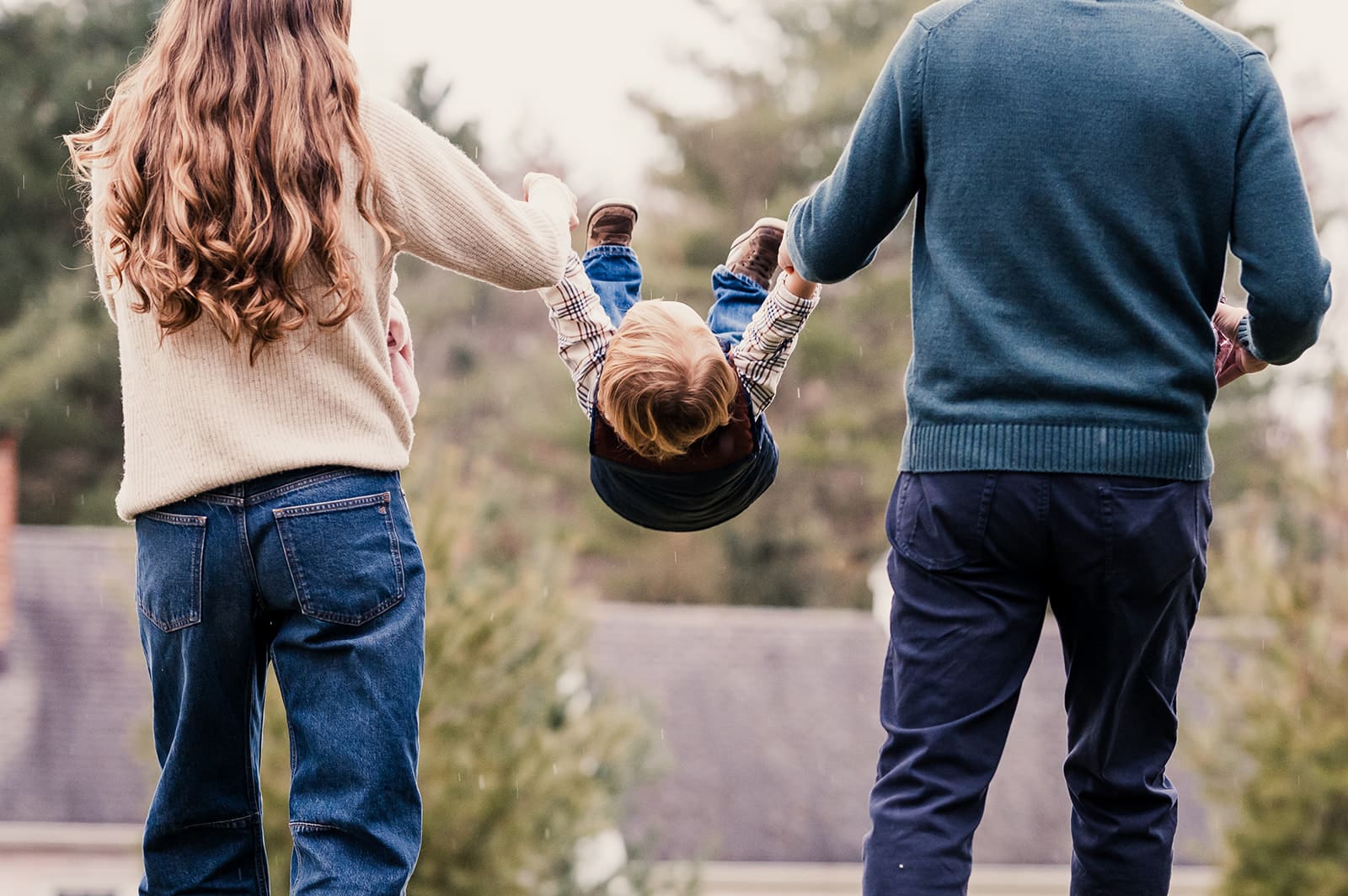
How to choose a family photographer often comes down to understanding what kind of experience will best support your family — not just what the photos will look like. Many parents already have a sense of how their kids tend to show up in new situations, and they want to choose something that works with that reality rather than pushing against it.
Different photography approaches ask for different things from kids. Some offer a short, guided structure with a clear beginning and end. Others allow more time for moments to unfold naturally, following the rhythm of real life. Neither is better or worse — they simply suit different families, personalities, and seasons.
When the approach aligns with how your family actually functions, photography doesn’t have to hinge on cooperation or performance. It can feel like an experience designed around your people, creating space for connection, movement, and moments that reflect who you are right now.
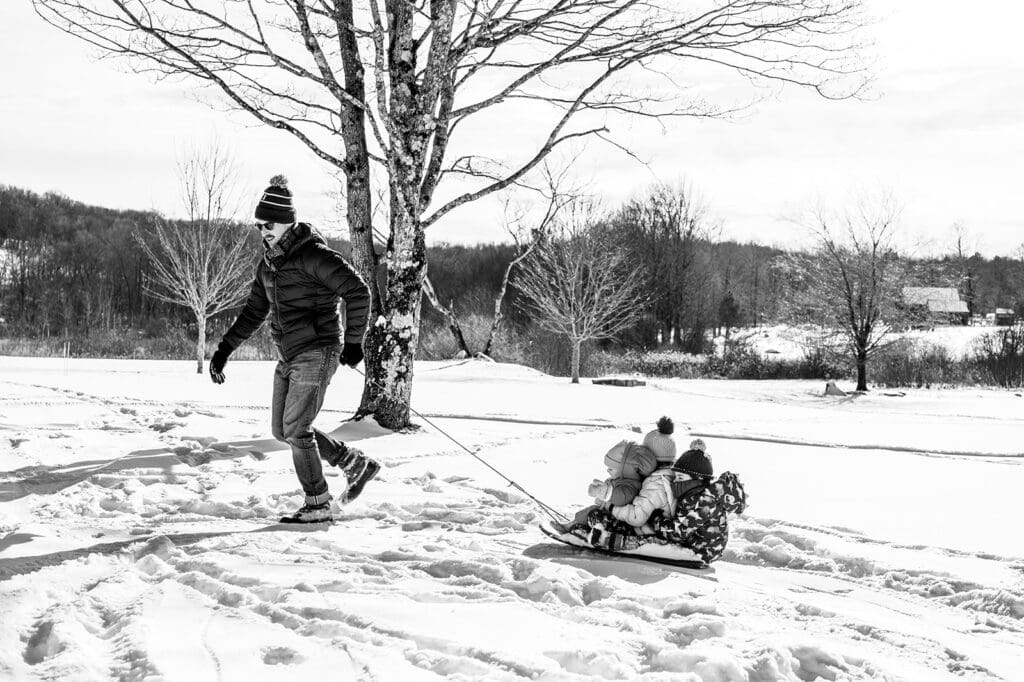
Choosing a family photography experience that doesn’t depend on the kids “behaving”
Kids are sensitive to shifts in attention. When adults suddenly start watching closely, offering instructions, or waiting for a specific reaction, many children shut down, or push back. This doesn’t mean your child is difficult or uncooperative! It means they’re responding to unfamiliar expectations.
Many kids react strongly to situations where attention suddenly shifts or expectations aren’t clear — a response that child development experts often describe as a normal reaction to pressure and overstimulation. Photo sessions often ask kids to pause their natural rhythm, interact on cue, and ignore their instincts. For children who are observant, energetic, cautious, or easily overwhelmed, that’s a lot to manage all at once.
Understanding this reframes the problem. The goal isn’t to change your child’s behavior. How to choose a family photographer is all about finding one whose approach doesn’t depend on your child’s behavior!
What to look for in a family photographer
When you’re thinking about how to choose a family photographer, it helps to focus less on poses and more on how the experience will feel for your family. If you’re curious to see what images may look like from a session that focuses less on posing, check out this Hudson Valley Extended Family Photography Session.
Some approaches may look different on the surface, but what matters most is how they feel to kids. Short & Sweet sessions, for example, might include a bit of guidance, but that guidance is built around playful prompts rather than stiff instructions. Kids are invited to move, interact, and respond in ways that feel natural to them — so the experience feels more like play than posing.
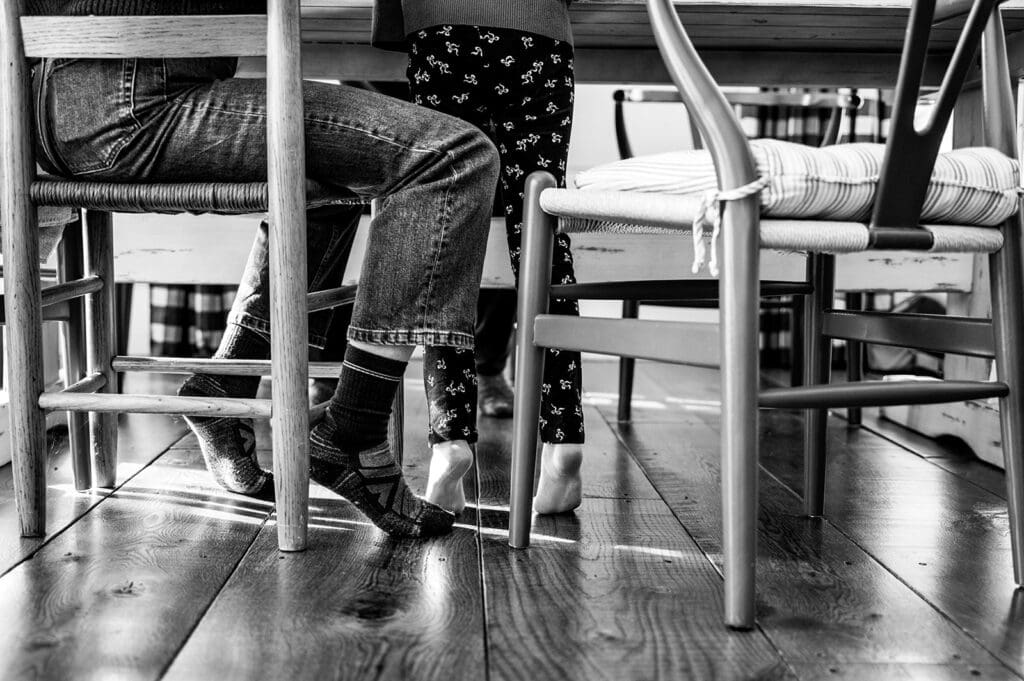
Documentary sessions take a different route. There’s nothing to pose for at all. The photographer follows what’s already happening, allowing moments to unfold without interruption or direction. Kids don’t need to do anything specific, because the goal is simply to reflect real life as it’s happening.
Both approaches work when they’re designed around how kids actually experience the world. One offers a short, contained experience with gentle structure. The other offers time and space for things to unfold naturally. What they share is an understanding that meaningful photos don’t come from asking kids to perform — they come from meeting them where they are.
Why a photographer’s process matters more than their portfolio
Looking at how different types of family photo experiences are structured can help parents understand what kind of pacing and flexibility might work best for their child.
A few simple questions can tell you a lot. What happens if a child needs space? Is the session structured tightly, or is there room to follow what unfolds? Can the experience happen within familiar routines or environments?
When a photographer can answer these questions calmly and clearly, it’s a sign they’re prepared for real families, not just ideal conditions.
What a low-pressure photo experience looks like for camera-shy kids
A documentary family photography session can create a calmer photo experience where kids don’t feel put on the spot. There’s less instruction and more observation.
A lot of the images families end up loving are the ones where kids weren’t trying to “do” anything for the camera. In documentary sessions, that comes from letting real life unfold. In shorter, guided sessions, it comes from playful prompts that feel more like play than posing.
When the experience respects a child’s boundaries, trust builds naturally. And when trust is present, the best photographs tend to follow!
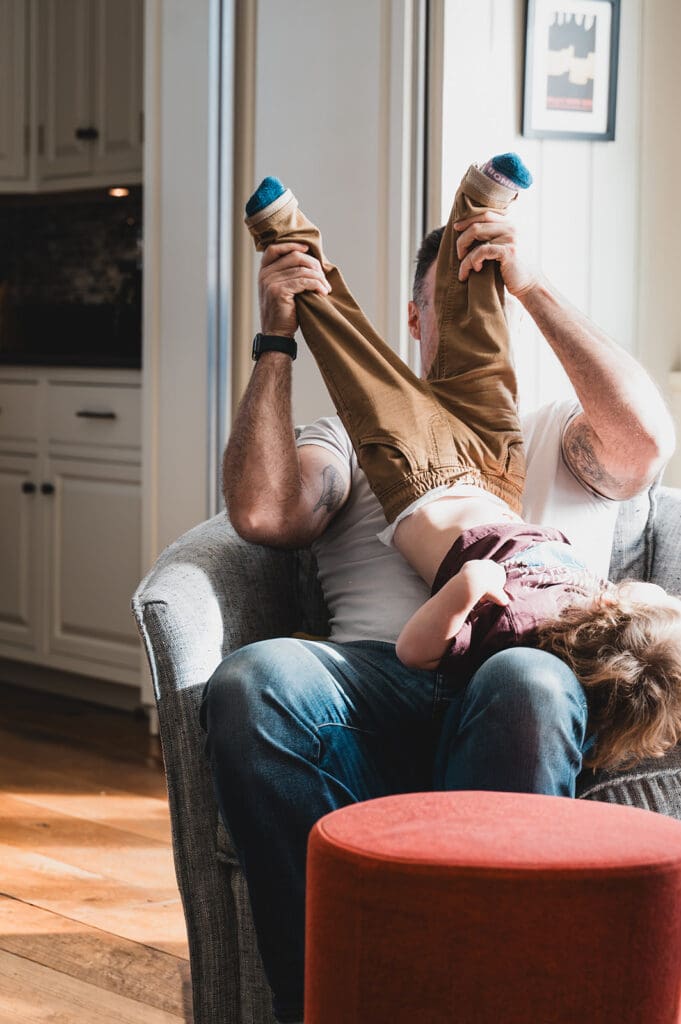
Children don’t need to be corrected in order to be photographed well
They don’t need to be coaxed into smiling or reminded to behave. If you know your child may not respond well to being “managed,” then the right photographer for you is someone who is able to adapt the experience in the moment. When that happens, photos stop feeling like a test your family has to pass.
Choosing a photographer who values ease, patience, and flexibility can change everything! Not just the images you receive, but the memory of being photographed in the first place.
That’s why I offer both longer documentary sessions and shorter Short & Sweet sessions. Documentary sessions allow kids to settle in at their own pace, with room for real life to unfold. Short & Sweet sessions are designed to be brief and clearly bounded, which can feel more manageable for some kids and families.
There isn’t one right choice — just what fits your family best right now!


Comments +